Best Oily Skincare Routine
When we think of oily skin, it’s easy for our minds to focus on the negatives: sebum, clogged pores, and shine. The truth is that there are actually some benefits to having oily skin. For example, did you know oily skin is thicker than other skin types and more resistant to fine lines and wrinkles?
There’s also more to caring for oily skin than soap and water. It’s a condition that’s nothing to be embarrassed about. You just need a bit of education and direction on an oily skin-friendly routine. A skin care routine for oily skin should gently wash away excess sebum, visibly shrink pores, and rebalance and nourish your skin. This guide is designed to help you take control of your oily skin.
Key Takeaways
- Oily skin isn’t a flaw; it helps protect and visibly preserve the skin, but it needs the right care to stay balanced and shine-free.
- Over-cleansing or skipping moisturizer can actually make oily skin feel oilier. The key is lightweight hydration and gentle cleansing.
- A balanced skincare routine includes six essential steps: cleanse, exfoliate, eye care, serum, moisturize, and SPF by day—plus toner and targeted treatments at night.
- Ingredients like salicylic acid, hyaluronic acid, and zinc gluconate are especially helpful for rebalancing oily ski
- Oil-free, plant-forward products formulated for oily skin, like Clarins’ mattifying gel moisturizers and purifying cleansers, can visibly smooth, hydrate, and rebalance your complexion.
What is the main cause of oily skin?
If you’ve been struggling with how to take care of your oily skin lately, it can feel as if your skin’s natural oil is the enemy, but it’s not. Oil, called sebum, has an important job to do. It keeps our skin lubricated, supple, and healthy, allowing the skin to do its job: to retain vital moisture within the body and act as a barrier against pollutants and bacteria that may be harmful to the body.
As your body produces sebum, it travels to the surface of the skin, collecting cells that are shed inside the hair follicle. When a follicle is full, sebum flows onto the skin's surface and is joined by lipids from skin cells, sweat, and environmental matter. When this is trapped or allowed to pile up on the skin’s surface, it’s one of the leading
Keep in mind that since sebum production is affected by hormone activity, your skin’s oil levels will change throughout your life – increasing at puberty and typically starting to decrease by age 20. Oil production will continue to slow with age, which can mean that skin that is oily during adolescence and through your 20s can become normal or even dry after the age of 40.
Signs of oily skin
Here are some of the
- A glossy/ shiny appearance on your skin that feels sticky to the touch
- Frequent acne breakouts
- Blackheads and whiteheads
- Dull-looking skin
- Large and clogged pores
- Oily hair that needs to be washed frequently
It’s important to note that everyone’s skin is different. Your skin may show different signs depending on whether you have
Step-by-step oily skincare routine
A common misconception when it comes to skincare for oily skin is that you need to wash your face excessively and use products that are harsh and dry out your skin. But this only tends to make the problem worse.
Here’s a gentle, but effective 6-step skincare routine for oily skin that will keep your skin healthy, balanced, and refreshed. It will only take you a few minutes and provide your skin exactly what it needs when you wake up in the morning and before you go to bed at night.
Morning routine
Step 1: Cleanse
Your skin tends to shed skin cells and
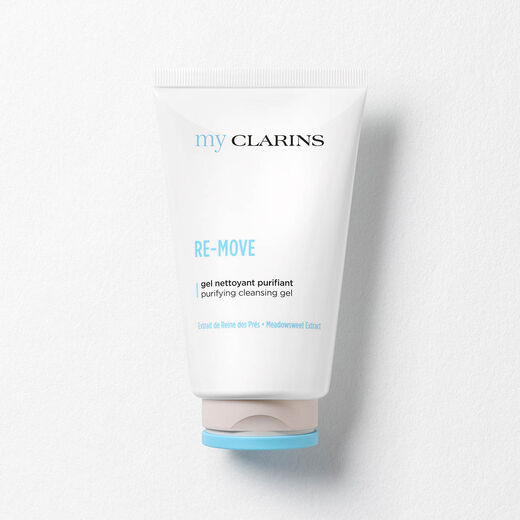
So, the first step in getting rid of this excess oil and any impurities is cleansing your face with a gentle
A good
Step 2: Exfoliate
Remember how we mentioned that you shed dead skin cells at night? Exfoliating is one of the best ways to remove these and prevent your pores from getting clogged. Bonus? It
For best results, exfoliate 2-3 times per week as part of your skincare routine for oily skin. Try a
You can incorporate any of these
Step 3: Eye Care
The skin around your eyes may not necessarily be an oily area, but eye care is an essential part of any routine. You’ll want to cleanse your eye area after sleeping, so you start with a clean slate as you go about your day.
From there, you can apply an eye serum or eye cream. These products are specifically formulated to accommodate the sensitive skin around your eyes. They will help reduce puffiness and dark circles. Just be sure to apply these products before any serums or creams, as your eye products will act as a protective barrier from anything else you layer over them.
Step 4: Serum
Serums provide essential nutrients, hydrators, and antioxidants that support the skin’s health and recovery. Using the right
Step 5: Moisturize
Oily skin needs moisturizing just as much as dry skin. If you skip this step, your skin will start producing more oil to combat the dryness, which defeats the point of your entire oily skin routine care. So, moisturize. Look for moisturizers that are light, oil-free, and contain ingredients such as
Bonus? Moisturizing your skin can help fight
Expert tip: When choosing the right
Step 6: Apply sunscreen
An often forgotten step when it comes to skincare for oily skin is applying
Some moisturizers contain skin protection, so you can skip this step if you’re using one of those. If not, add one of our anti-pollution options to your cart. It’s oil-free, making it perfect for your oily skincare routine.
Learn more about proper care for your skin in the sun from the
Night-time routine
Step 1: Cleanse
Remove dirt and make-up from the day with a micellar water. Then, move on to a face cleanser to remove the build-up from your face. The goal here is to remove all the junk from your day, leaving you with a blank slate to tone and apply moisturizing and visibly renewing products as you drift off to sleep. This is an essential step in reducing the effects of leftover skin cells, dirt, and other environmental factors that can clog your pores and promote oily skin.
Step 2: Apply toner
The next step in your face routine for oily skin is applying a toner. Alcohol-free
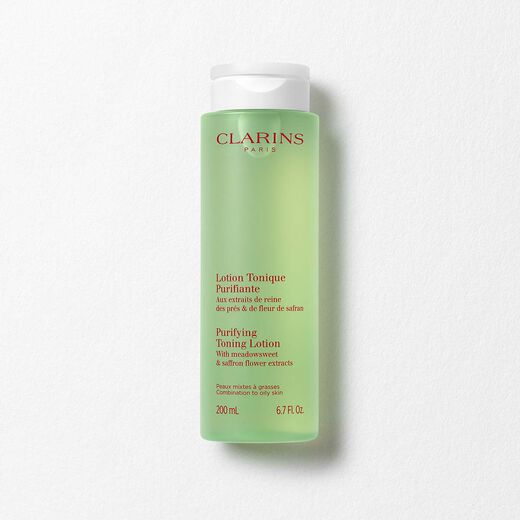
After you cleanse or exfoliate, soak two cotton pads with the toner and gently wipe them over your face. Aaaand that’s it! Allow it to work its magic and dry. We recommend Clarins’ plant-based
Step 3: Eye care
Much like the daytime routine, this is the time to apply a cream or serum to the sensitive under-eye area. Creams are generally lighter and can reduce dark circles, lines, and puffiness. You may want to opt for a cream during the day when you need to be out and about, and opt for a more luxurious eye serum as you settle in for the night.
Step 4: Serum
The goal of this step is to repair and replenish the skin. You want to shoot for the biggest benefit while still keeping things light. Think luxurious, not heavy and dense. Some serum formulas combine ingredients, such as antioxidants, that work well for both morning and nighttime routines.
Step 5: Targeted treatment of problem areas
This step in your oily skincare routine depends on the specific problems you’re facing. For instance, if you have visibly enlarged pores, try
If you have acne spots,
Step 6: Moisturize
Your nighttime moisturizer will be thicker and richer than your daily wear. There’s a reason for this. These heavier creams will help to nourish, revitalize, and hydrate your skin while you sleep. But don’t be afraid of words like “heavy” or “luxurious.” These products are formulated to provide just the right amount of moisture, keeping your skin healthy.
Oily skincare routine dos and don’ts
To get the best out of your skincare regimen for oily skin, keep these Do’s and Don’ts in mind:
Do:
- Do wash your pillowcase regularly to remove all the sweat and oil accumulated on it.
- Do use an oil-free makeup remover before you start your oily skincare routine
- Do use a clean towel during your oily skin face care every time.
- Do use blotting papers to absorb the oil from your skin. But don’t rub it over your face. Instead, just press it gently against your face for a few seconds.
Don’t:
- Don’t over wash your face as it can strip your skin of essential oils, leading to a sebum build-up as compensation.
- Don’t forget to
cleanse your face after a workout to wash away all the oil, sweat, and dirt from exercising. - Don’t use harsh scrubs and exfoliators as they can irritate your skin and stimulate more sebum production.
- Don’t keep touching your face unnecessarily.
Take charge of your oily skin
Your oily skin is not a prison sentence. With the right skincare routine for oily skin, you can take charge of your skin. To achieve even better results, anchor your routine with oil-free, plant-based products specifically designed for oily skin. Clarins has a wide range of skincare products for oily skin, made with skin-friendly ingredients.
Choose the best for your oily skin. Choose Clarins.
Frequently asked questions
How do I stop my skin from being so oily?
You can’t press pause on your skin’s natural oil production, but you can help balance it. Begin with a gentle, purifying cleanser, and follow with a lightweight, plant-powered moisturizer. Skip the harsh scrubs or drying formulas. They often make skin feel oilier by triggering more shine as your skin tries to compensate.
What is the 4-2-4 rule in skincare?
The 4-2-4 method is a cleansing technique inspired by Asian skincare rituals. It involves massaging a cleansing oil onto the skin for four minutes, followed by a water-based cleanser for two minutes, and then rinsing for four minutes. It may sound like a lot, but it can help support a thorough, nourishing cleanse if you're dealing with oily skin or makeup buildup.
What are the don'ts for oily skin?
Don't skip moisturizer. Hydration helps visibly balance the appearance of oily skin. Also, try to avoid over washing or using harsh astringents, which can actually make things worse. Instead, stick with gentle, targeted skincare that leaves your skin feeling fresh, not stripped.
Does drinking water reduce oiliness?
Drinking water supports your skin’s overall health, but it won’t directly reduce shine. That said, staying hydrated can help your skin appear more balanced and comfortable when paired with the right skincare routine. Think of it as part of the big picture, not a quick fix.
You might like